
- Product
- Qty in Cart
- Quantity
- Price
- Subtotal
-
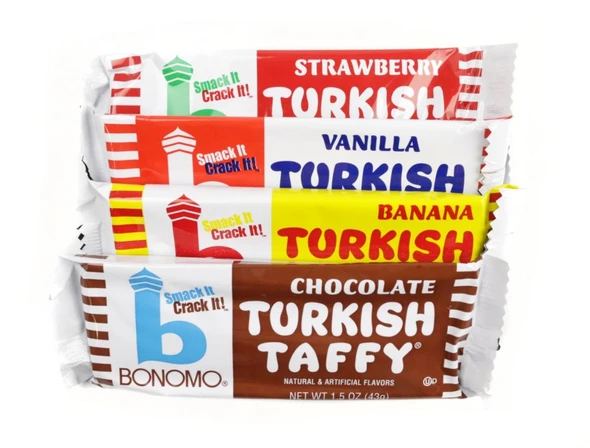
Bonomo Turkish Taffy
$32.25Bonomo Turkish Taffy Bonomo Turkish Taffy - Smack it, crack it, and enjoy this nostalgic candy assortment. A perfect addition to your next retro candy bar. Looking to add a touch of nostalgia to your... -
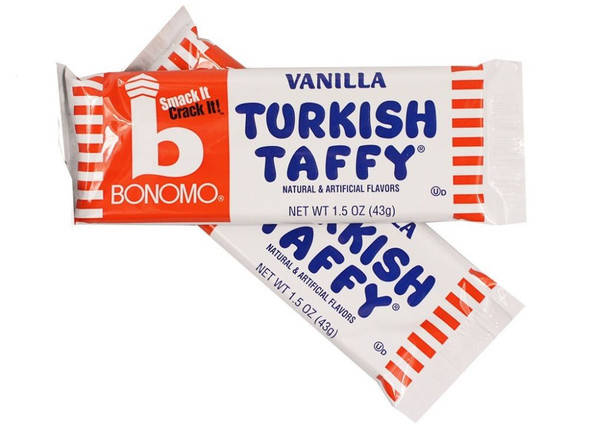
Bonomo Turkish Taffy Vanilla 24 Piece
$31.25Bonomo Turkish Taffy Vanilla 24 Piece Bonomo Turkish Taffy Vanilla 24 Piece. Smack it, crack it, and enjoy this creamy vanilla taffy nostalgic candy. A perfect addition to your next retro candy bar... -

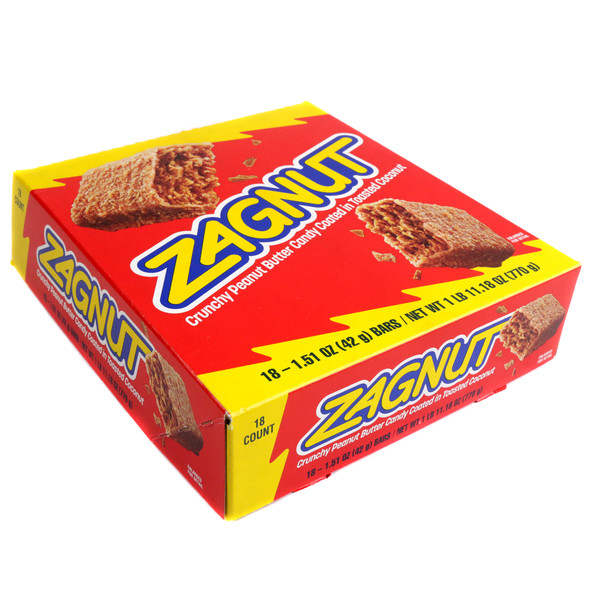
Zag Nut Candy Bar 18 piece
$37.65Zag Nut Candy Bars ZAGNUT Bars are a retro candy classic that deliver a uniquely crave-worthy combo! Each bar starts with a crispy, crunchy peanut butter center, then gets a generous coating of... -
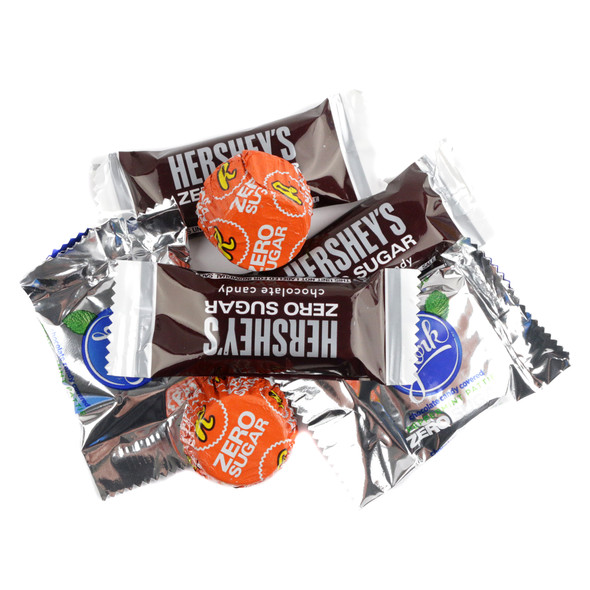

Hershey's Sugar Free Chocolate Candy Assortment 1lb
$33.35Hershey's Sugar Free Chocolate Candy Assortment 1lb Hershey's Sugar Free Chocolate Candy Assortment 1 lb. Enjoy a delicious chocolaty treat without the sugar in this assortment of your favorite... -
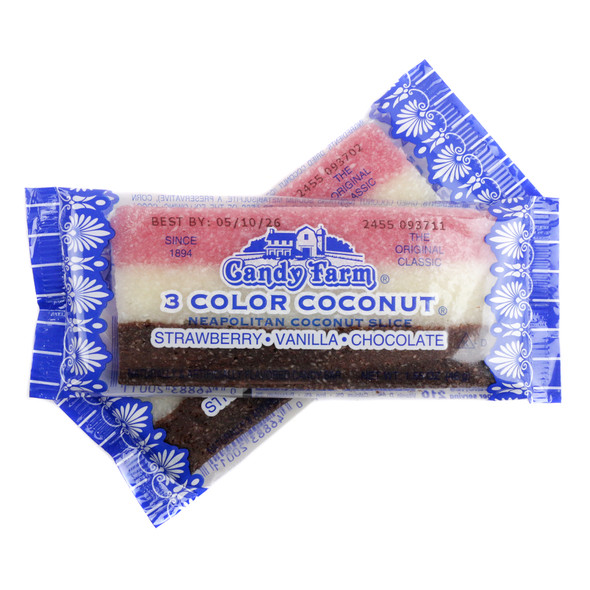
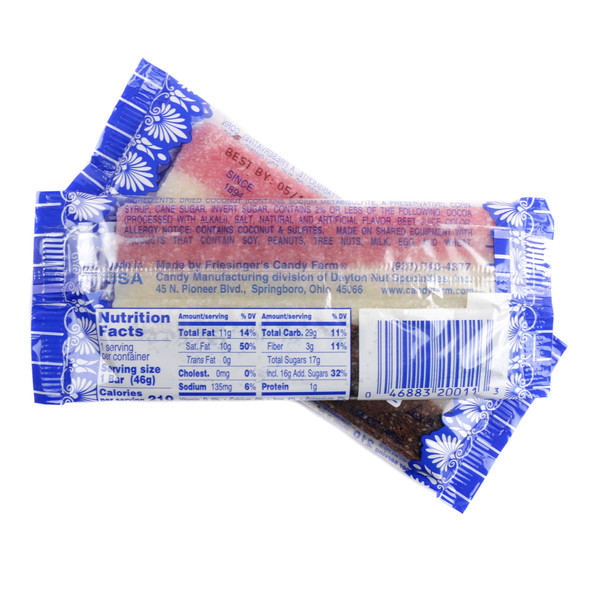
Neapolitan Coconut Candy Bars 24 Piece
$42.95Neapolitan Coconut Candy Bars 24 Piece Enjoy the delicious combination of three classic flavors with our Neapolitan Coconut Candy Bars 24 Piece pack. Each bar features sweet, creamy coconut in... -
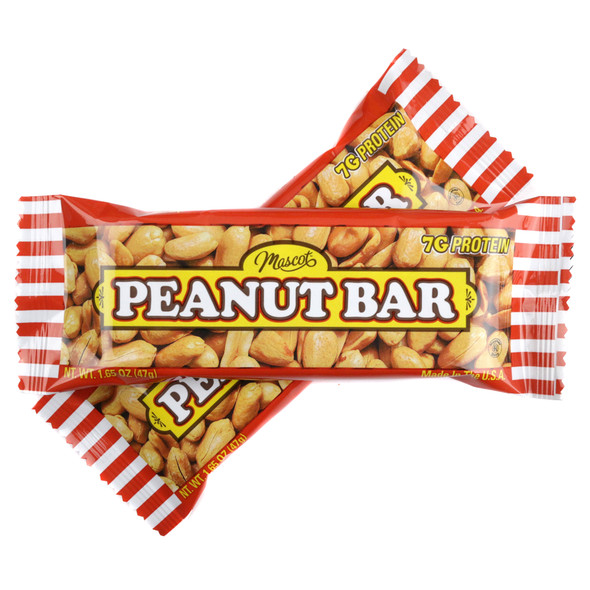
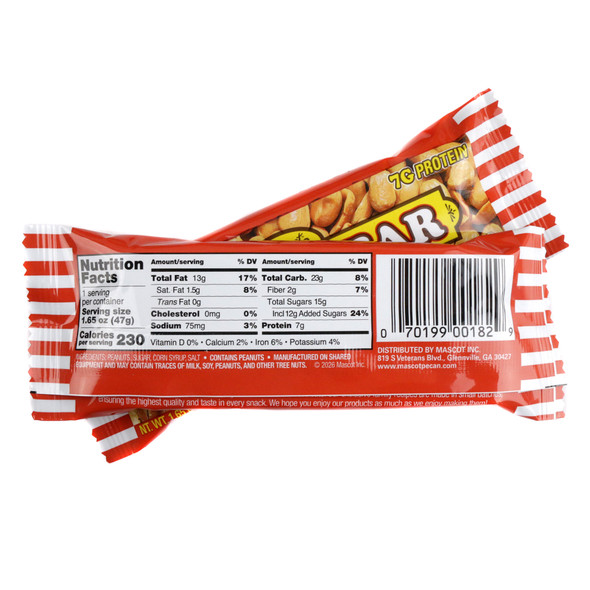
Peanut Bar 36 Piece
$21.95Peanut Bar 36 Piece Mascot's Peanut Bar 36 Piece: Sweet, salty, and packed with peanuts! This old-fashioned candy bar has been enjoyed since 1943! Each Peanut Bar weighs 1.65 oz. 36 bar per box... -
 Out of StockOut of Stock
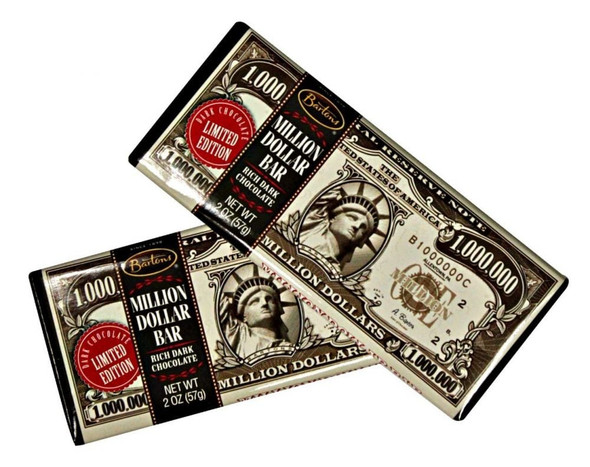
Million Dollar Candy Bar Dark Chocolate 12 Pack
$20.55Million Dollar Candy Bar Dark Chocolate 12 PackMillion Dollar Candy Bar Dark Chocolate 12 Pack is a delightful treat perfect for any occasion. Made by Bartons Candy, a trusted brand in the... -
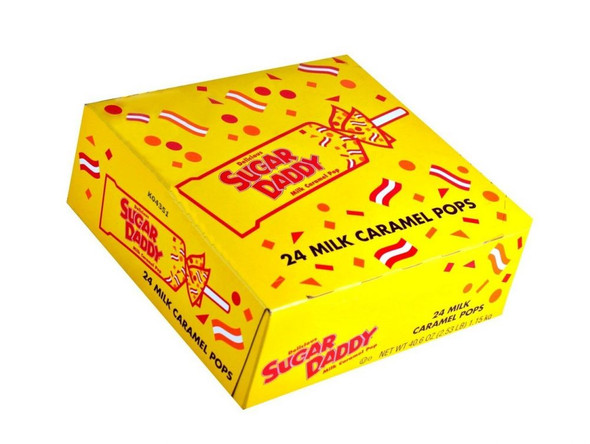
Sugar Daddy Candy 24 Piece
$51.75Sugar Daddy Candy 24 PieceThe Sugar Daddy Candy 24 Piece is a delicious milk caramel pops that will take you back to sweet memories of the past. This classic retro candy is a must-have for any candy... -
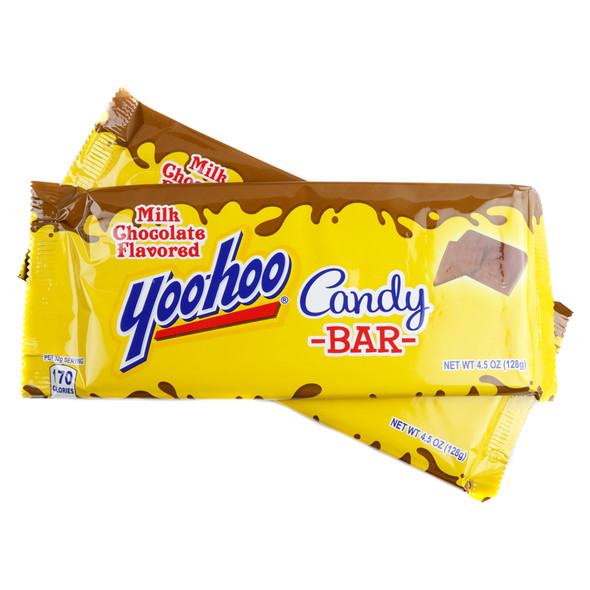
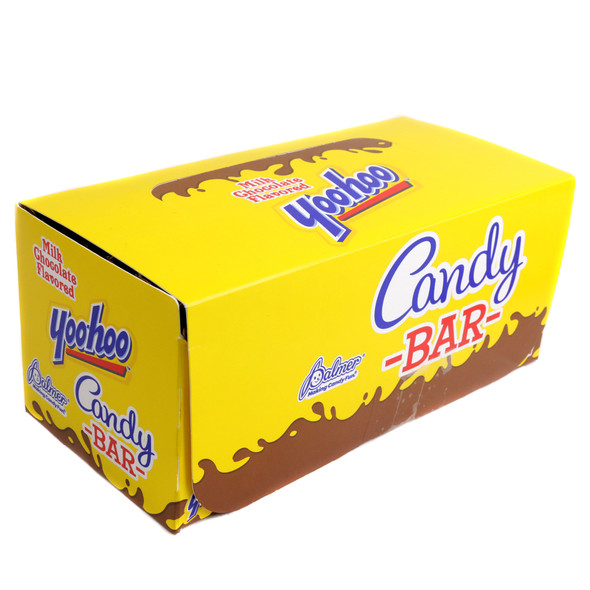
YooHoo Chocolate Bars 12 Piece
$22.55YooHoo Chocolate Bars 12 PieceYooHoo Chocolate Bars 12 Piece are reminiscent of your favorite YooHoo drink. Each order includes 12 YooHoo Chocolate Bars, with each bar weighing 4.5 ounces. Made in... -


Charleston Chew Strawberry 24 Piece
$51.75Charleston Chew Strawberry 24 PieceCharleston Chew Strawberry 24 Piece. Enjoy a classic candy bar that's full of chewy strawberry goodness! this old-fashioned candy is perfect for those hosting a... -
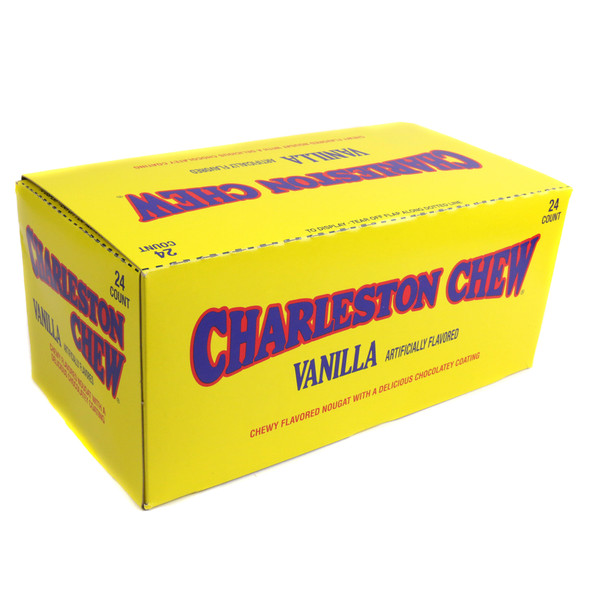
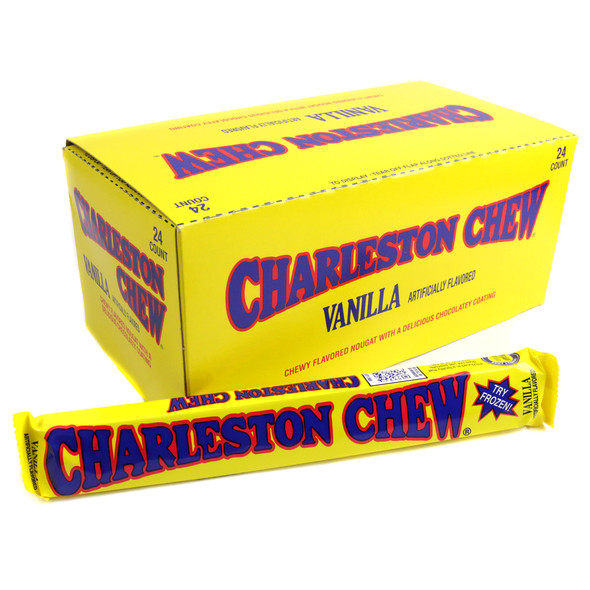
Charleston Chew Vanilla 24 Piece
$51.75Charleston Chew Vanilla 24 PieceCharleston Chew Vanilla 24 Piece. A delicious vanilla nougat covered with a wonderful chocolatey coating. This candy bar is named after the popular 1920's dance, the... -
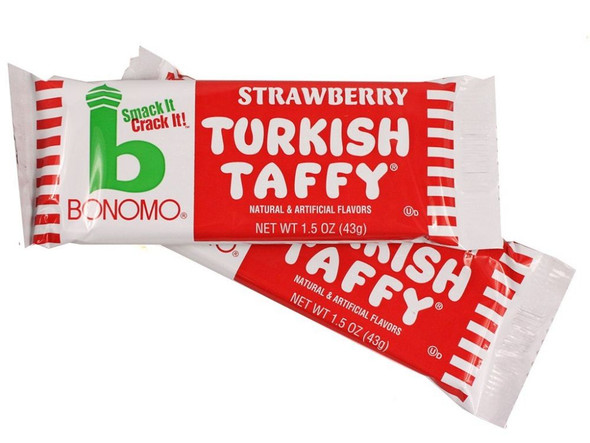
Bonomo Turkish Taffy Strawberry 24 Piece
$31.25Bonomo Turkish Taffy Strawberry 24 Piece Bonomo Turkish Taffy Strawberry 24 Piece is a nostalgic candy that will transport you back to the good old days. This sweet strawberry taffy is perfect for... -

Bonomo Turkish Taffy Chocolate 24 Piece
$31.25Bonomo Turkish Taffy Chocolate 24 Piece Bonomo Turkish Taffy Chocolate 24 Piece. Smack it, crack it, and enjoy this delicious chocolate taffy nostalgic candy. A perfect addition to your next retro... -
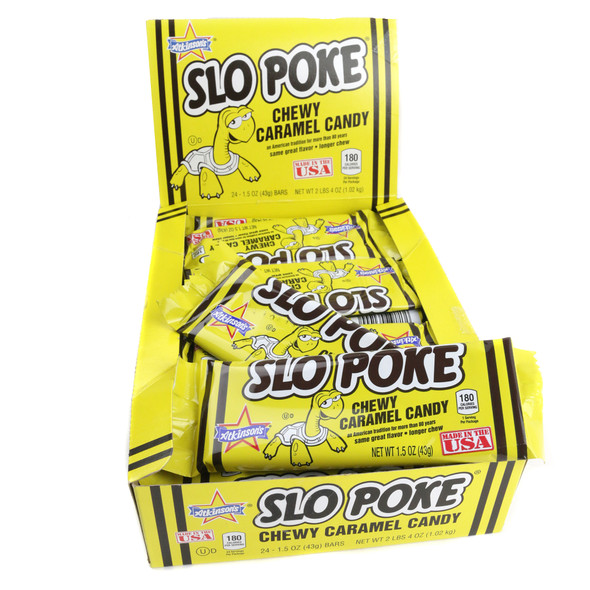
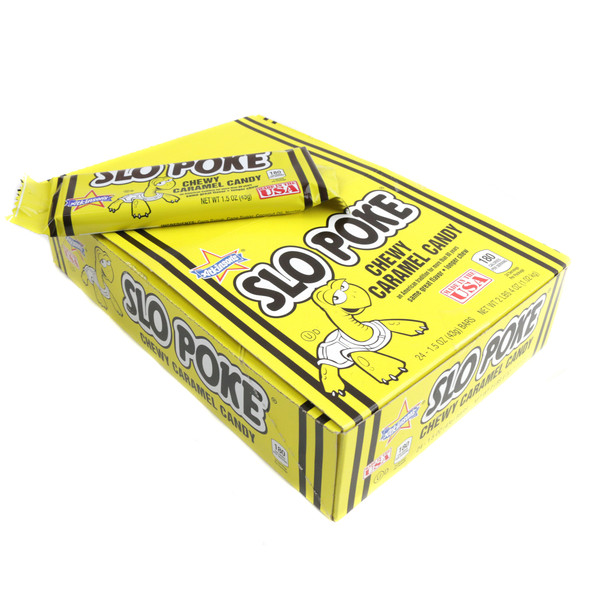
Slo Poke Caramel Candy 24 Pack
$41.95Slo Poke Caramel Candy 24 PackSlo Poke Caramel Candy 24 Pack is a classic old-fashioned caramel candy bar. Rich, creamy, and delicious, this American-made treat is perfect for satisfying your sweet... -

Harry Potter Chocolate Creatures 6 Pack
$25.85Harry Potter Chocolate Creatures 6 PackHarry Potter Chocolate Creatures 6 Pack are delicious milk chocolate treats with crisped rice in the shape of one of six creatures or pets inspired by the...
Candy bars are solidified, rectangular confections typically composed of chocolate coating a variety of fillings, trace their history back to 1847 when Joseph Fry, an English chocolate maker, developed a method to create a moldable chocolate paste, producing the world's first edible chocolate bar. However, the American-style "combination bar" that mixes ingredients like nougat, caramel, nuts, and chocolate—the type most recognized today—came later, with the Goo Goo Cluster in 1912 often cited as the first of this kind in the United States. The subsequent explosion in popularity was significantly fueled by World War I, as the U.S. Army commissioned manufacturers like Hershey to supply chocolate blocks for soldiers' rations, creating a massive post-war market of returning troops who craved the treat. This period, particularly the Roaring Twenties, became the "Golden Age" of candy bar innovation, with thousands of different brands appearing. The classic Snickers bar, introduced in 1930 and named after the Mars family's favorite horse, is consistently ranked among the best-selling candy bars globally, containing nougat, caramel, peanuts, and milk chocolate. Another iconic example, the 3 Musketeers bar, debuted in 1932 and originally contained three smaller bars in one package—chocolate, strawberry, and vanilla—though due to World War II rationing of sugar, the other two flavors were discontinued, leaving only the chocolate nougat center that remains today. This format’s portability and concentrated energy content helped solidify its role as a ubiquitous snack. Consider how the ingredients in your favorite candy bar reflect the era in which it was invented and explore the history of its unique name. Like the classic Charleston Chews. They have diverse compositions offer satisfying experiences, fulfilling cravings for both sweetness and substance. Explore our selection and find your favorite today!