
- Product
- Qty in Cart
- Quantity
- Price
- Subtotal
-
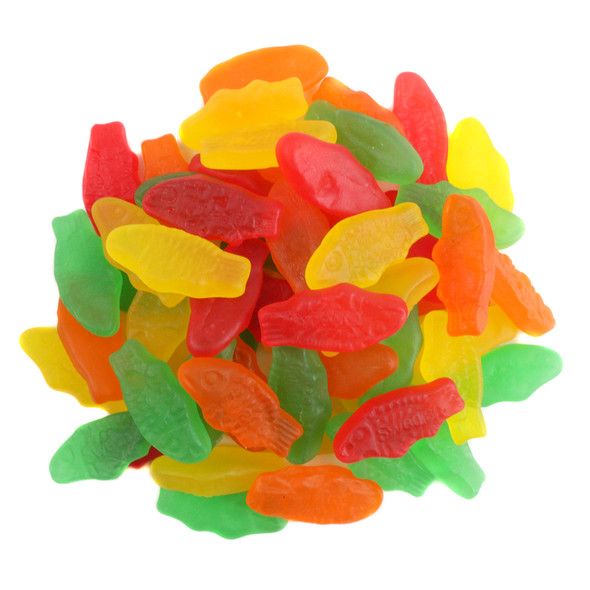

Assorted Mini Swedish Fish
$9.65Assorted Mini Swedish Fish Assorted Mini Swedish Fish is the perfect candy treat that will surely satisfy your taste buds. These chewy and colorful candies bring the iconic Swedish Fish flavors to... -

 Out of StockOut of Stock
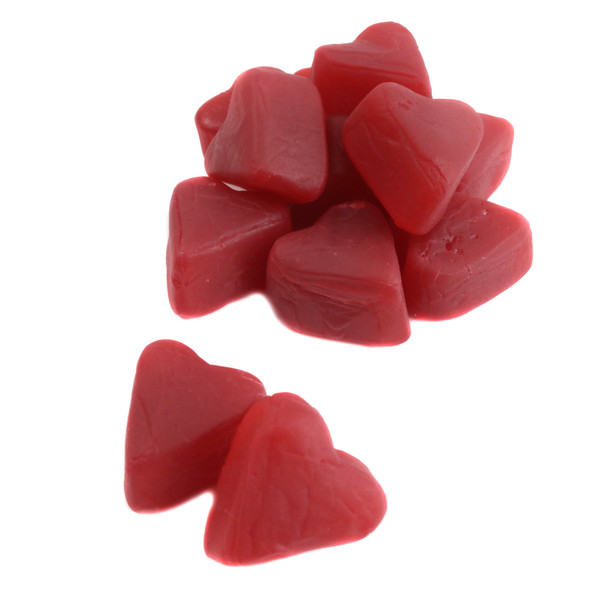
Cinnamon Juju Hearts
$5.25Cinnamon Juju Hearts Cinnamon Juju Hearts - Spice up Valentine's Day with fiery heart-shaped candy. These cinnamon juju hearts will ignite your taste buds with their sweet and spicy flavor. Each... -

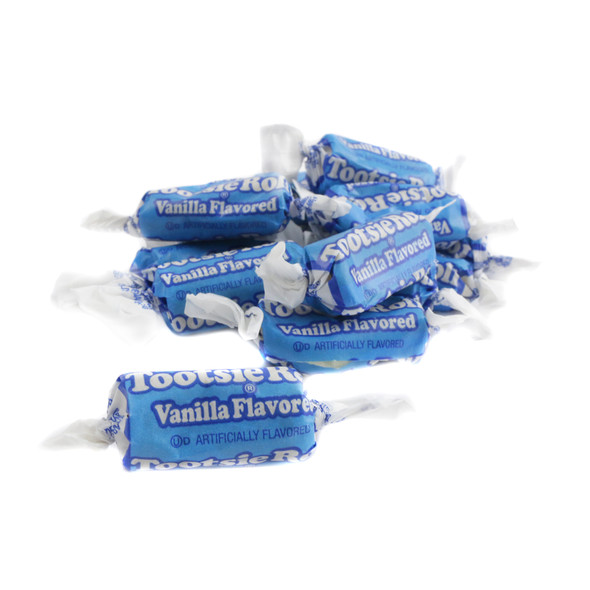
Vanilla Tootsie Rolls
$9.45Vanilla Tootsie Rolls Vanilla Tootsie Rolls are a sweet and delicious treat that will satisfy your craving for a vanilla-flavored candy. These Tootsie Rolls have all the chewiness of the classic... -

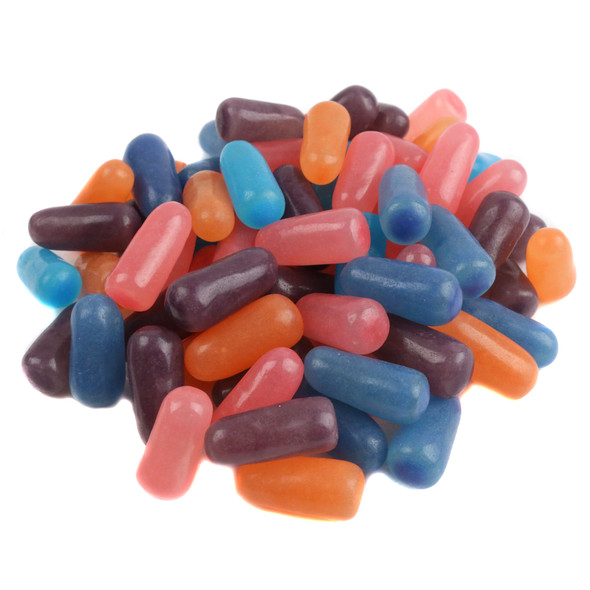
Mike and Ike Berry Blast
$9.95Mike and Ike Berry Blast Mike and Ike Berry Blast is a berry-licious burst of flavors that will tantalize your taste buds. With a mix of Blueberry, Blue Raspberry, Strawberry, Wildberry, and Peach... -

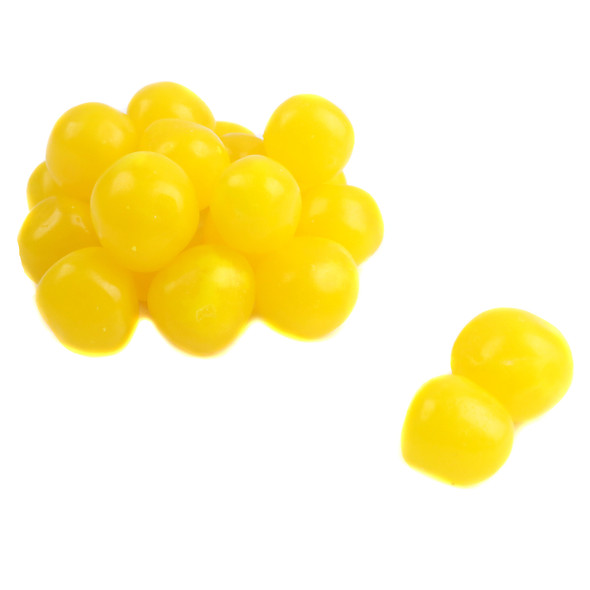
Lemon Chewy Sour Balls
$7.55Lemon Chewy Sour Balls Lemon Chewy Sour Balls Add some sunshine to your candy day with these bright yellow, lemon-flavored, chewy sour balls! They have a hard candy shell surrounding a deliciously... -


Sunrise Cherry Sours
$4.95Sunrise Cherry SoursSunrise Cherry Sours are a delicious candy treat that will satisfy your sour cravings. These bite-sized candies have a cherry flavored jelly inside, surrounded by a sour cherry... -
 Out of StockOut of Stock
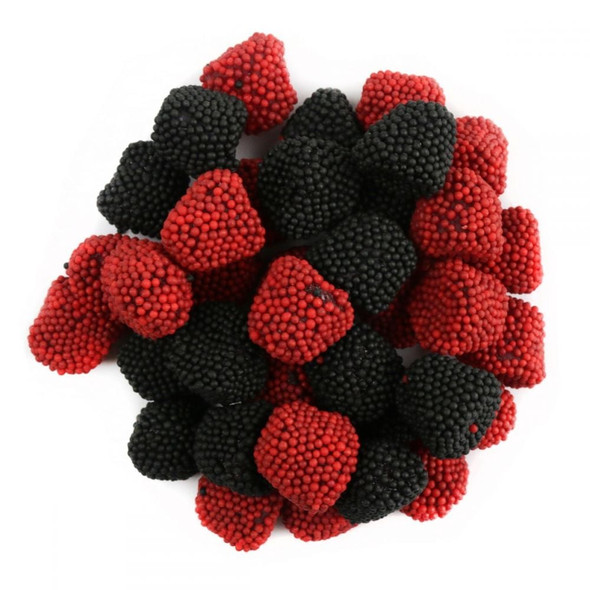
Jelly Belly Raspberries & Blackberries Jells
$13.95Jelly Belly Raspberries & Blackberries JellsJelly Belly Raspberries & Blackberries Jells are soft chewy jells coated in red and black candy seeds. These bright colored candies not only look enticing... -

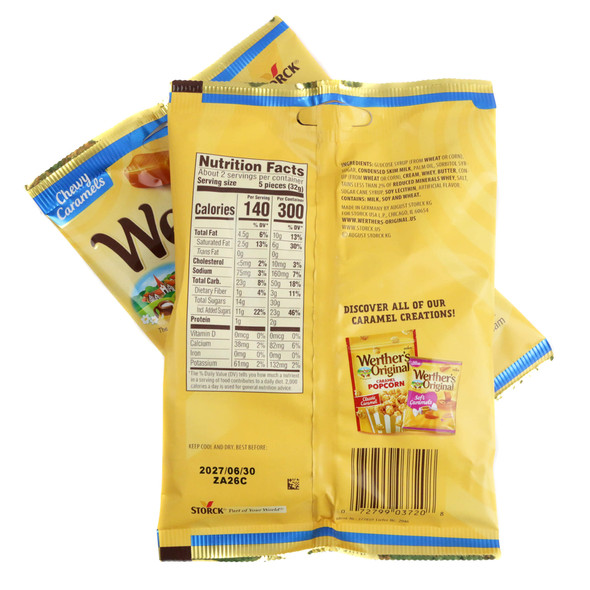
Werther's Caramel Chews 2.4oz Bag
$2.15Werther's Caramel Chews 2.4oz Bag Werther's Caramel Chews are the perfect indulgence for caramel lovers. Made with real butter and fresh cream, these chewy candies offer a silky smooth taste that... -
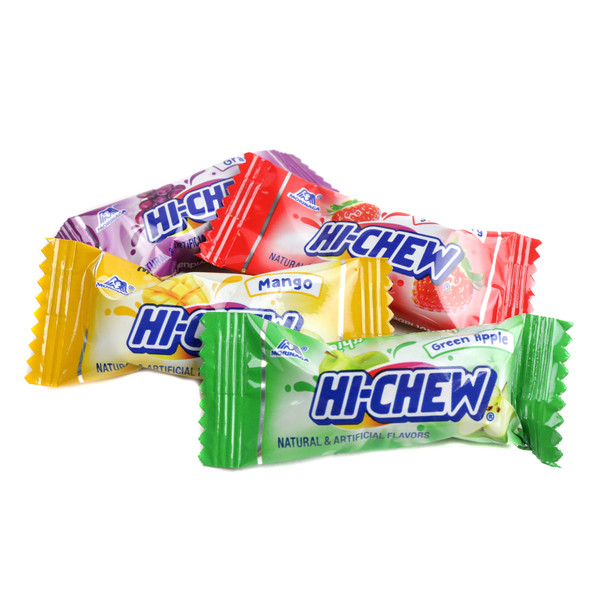
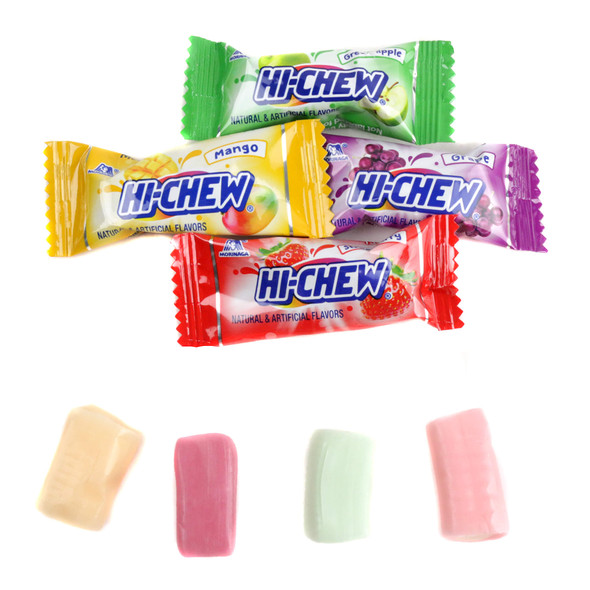
Hi Chew
$12.95Hi Chew Hi Chew has long been known as the #1 soft chewable candy in Japan. This candy comes in an assortment of flavors, including Apple, Grape, Mango, and Strawberry. Individually wrapped Hi Chew... -

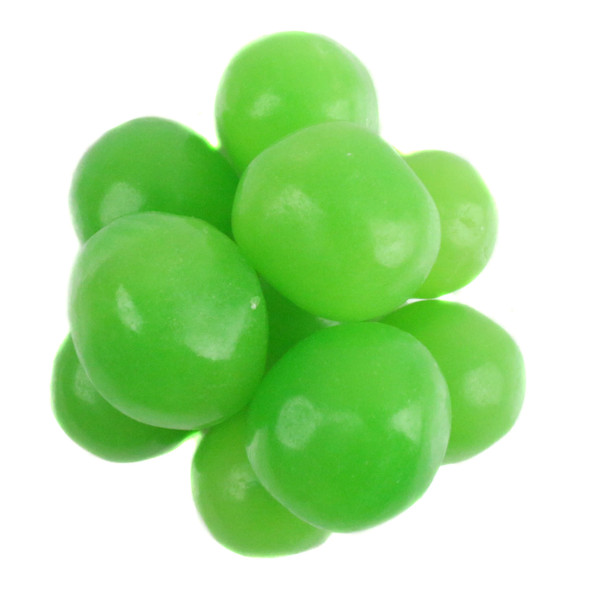
Watermelon Chewy Sour Balls
$7.55Watermelon Chewy Sour Balls Watermelon Chewy Sour Balls are a delicious and tangy treat that will satisfy your sweet tooth. These sour candies are shaped like light green chewy balls and have a... -

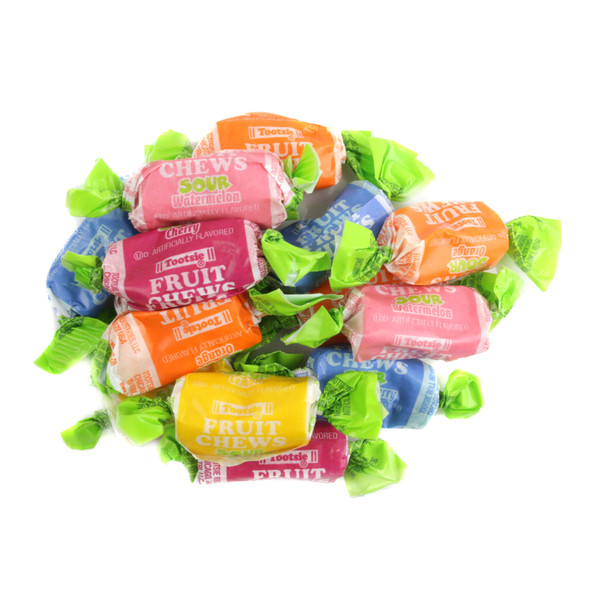
Sour Tootsie Rolls Fruit Chews
$6.95Sour Tootsie Rolls Fruit ChewsSour Tootsie Rolls Fruit Chews are a delightful treat that will make your mouth pucker with excitement. Each pound of these chewy candies contains approximately 100... -
 Out of StockOut of Stock
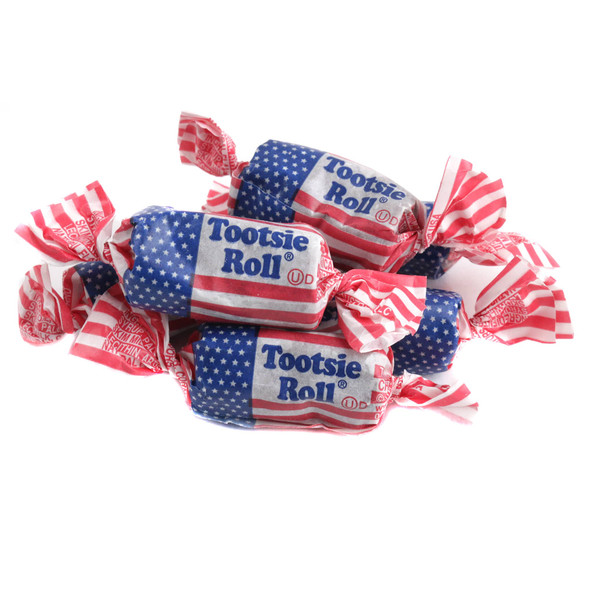
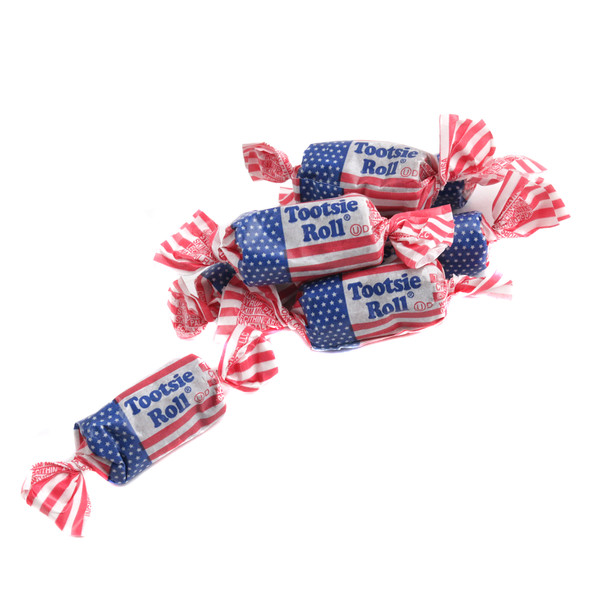
Flag Tootsie Rolls
$6.35Flag Tootsie Rolls Flag Tootsie Rolls are the perfect patriotic candy for all your celebrations. These chewy chocolatey Tootsie Roll Midgees are individually wrapped and feature the USA flag design,... -


Valentine Chewy Sour Balls
$7.55Valentine Chewy Sour Balls Valentine Chewy Sour Balls are a must-have addition to your Valentine's Day candy collection. Made by Sweets Candy Company, these fruity assorted candy balls will tantalize... -
 Out of StockOut of Stock
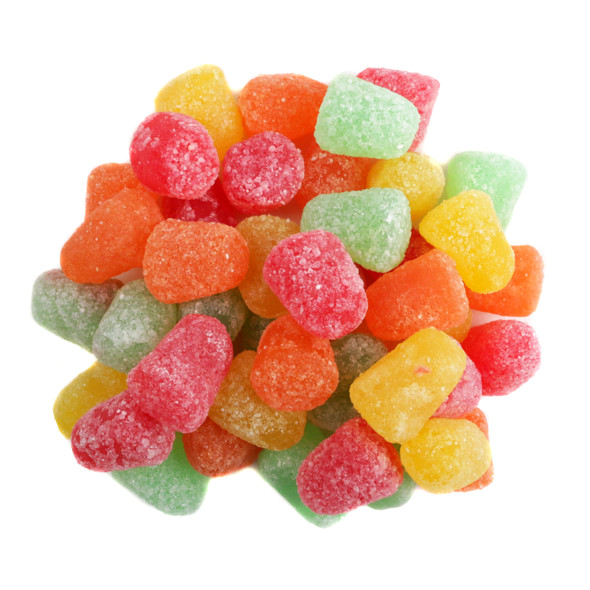
Assorted Sour Fruit Jelly Candy
$5.95Assorted Sour Fruit Jelly CandyAssorted Sour Fruit Jelly Candy is a delicious treat that will satisfy any sweet tooth. These brightly colored jelly candy drops are coated in sour sugar, giving them a... -
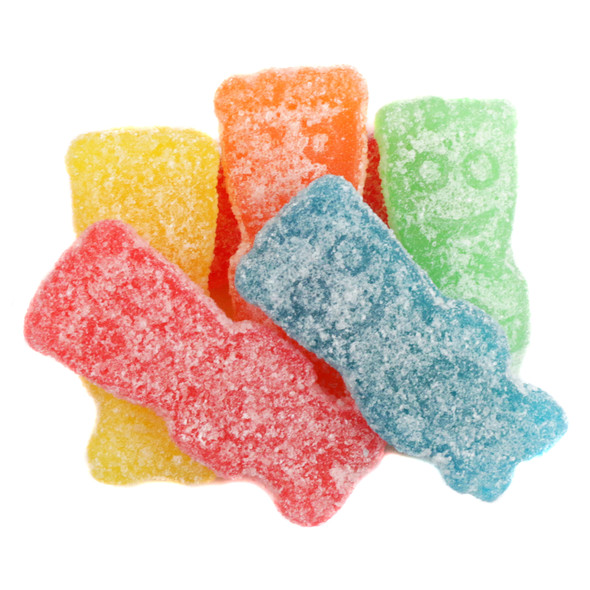
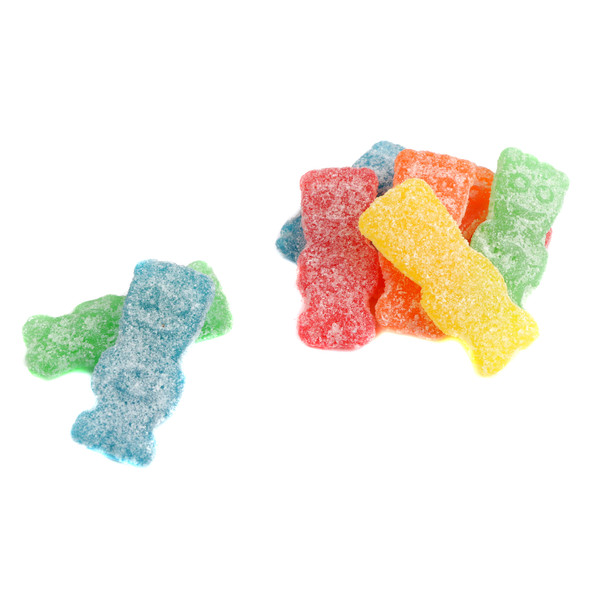
Sour Patch Kids - Big Kids Unwrapped
$10.65Sour Patch Kids - Big Kids UnwrappedSour Patch Kids - Big Kids Unwrapped. Bursting with fruity flavors, these larger-sized Sour Patch Kids are sour and sweet.Can Sour Patch Kids get any better? Yes,...
Chewy candy represents a major branch of the confectionery choices, defined by its long-lasting physical texture and intended swallowability. Unlike hard candy designed to dissolve slowly or chocolates engineered to melt at body temperature, chewy candy maintains structural resistance while chewing. This category spans a wide spectrum of confections, including gummies, taffy, caramels, nougats, licorice, fruit chews, and jelly beans. The historical development and sensory evolution of chewy candy make it a distinct domain of culinary development, particularly when contrasted with non-digestible candy such as chewing gum.
The historical trajectory of chewy confections spans several millennia, evolving alongside agricultural advancements and industrial processing innovations. Long before modern manufacturing, ancient civilizations created the earliest precursors to chewy candy using naturally available sweeteners and botanical extracts. Ancient Egyptians, Greeks, and Romans blended honey with native fruits, nuts, herbs, and tree resins to formulate dense, pliable confections. In the Middle East, the creation of lokum, known widely as Turkish Delight, marked a major evolutionary step in non-dairy chewy candy. Developed centuries ago, this confection relied on starch and sugar matrices to produce a soft, gelled treat flavored with botanical essences like rosewater, citrus, and mint.
The modern history of chewy candy accelerated dramatically during the nineteenth century due to the industrialization of refined sugar production and the development of specialized machinery. Taffy production gained widespread popularity in North America during the late 1800s, especially within coastal resort communities. Salt water taffy emerged as a prominent regional specialty during this era. Despite the name, ocean water was never an ingredient in the recipe; legend holds that the name originated in Atlantic City, New Jersey, in 1883 after an ocean storm flooded a boardwalk candy shop, soaking the owner's inventory of pulled sugar treats in ocean spray.
A pivotal milestone in chewy candy history occurred in the early twentieth century with the creation of the gummy bear in Germany. Confectioner Hans Riegel founded the Haribo company in Bonn in 1920 and drew inspiration from the trained dancing bears common at European street festivals and carnivals. In 1922, Riegel introduced the "Tanzbär" or Dancing Bear. This creation established the foundational blueprint for the global gummy industry, paving the way for thousands of subsequent structural variations, ranging from gummy worms to sour-coated novelties over the following century.
A fundamental distinction exists between chewy candy and chewing gum, two product classes frequently conflated due to their similar initial mouthfeel and prolonged chew time. The core division separating the two rests on structural digestibility. Chewy candy is an entirely edible and soluble, designed to be fully broken down and ingested. The mass continually dissolves, fragments, and softens until it is completely swallowed.
Consumer trends highlight a growing shift toward non-chocolate confections, propelled largely by younger demographics who demonstrate a strong preference for fruity, tart, and novel physical textures. The history of chewy candy continues to unfold as processing methods adapt to changing tastes, yet the core heritage of these confections remains rooted in centuries of physical innovation and culinary tradition.